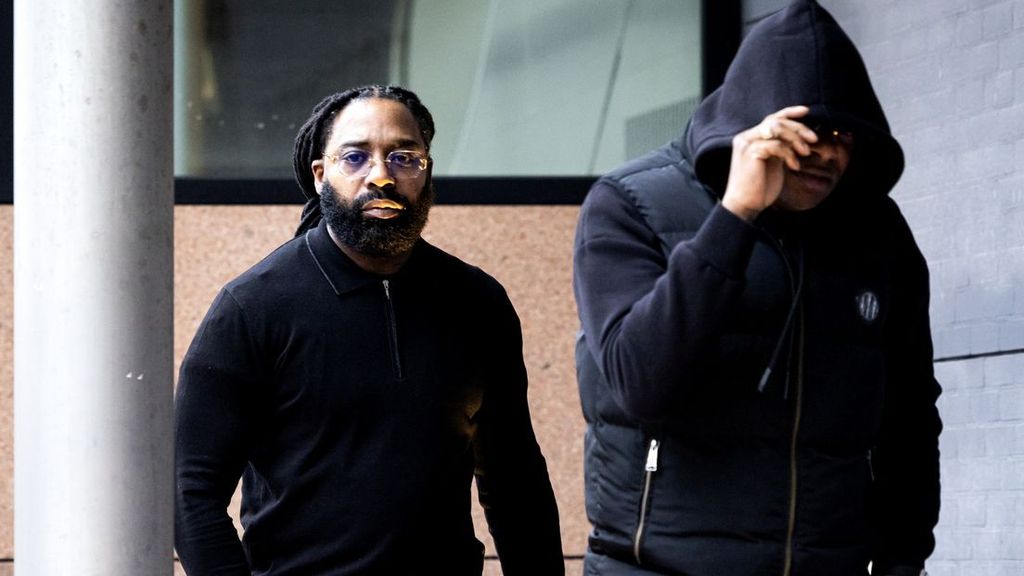
Rapper Kempi Faces Jail: Inside the Threat Charges Against His Ex-Girlfriend
The Dutch hip-hop scene watches with bated breath as prominent rapper Kempi, real name Jerreley Zanian John Slijger, faces a significant legal battle that could land him behind bars. Prosecutors have demanded a seven-month prison sentence and a three-year contact ban against the artist, known for hits like "Cocaina," over grave allegations of threatening his ex-girlfriend, who is also the mother of his child. This high-profile case brings to light deeply disturbing accusations of coercion, death threats, and a contentious struggle over paternity and child-rearing, casting a long shadow over the rapper's public image and career.
The proceedings have revealed a volatile and harrowing situation for Kempi's ex-girlfriend, Gaby, who detailed a terrifying period marked by relentless pressure and fear for her life and the life of her unborn child. The allegations against Kempi highlight a concerning pattern of intimidation that escalated dramatically following the news of her pregnancy, leading to a legal showdown that has captivated national attention.
The Chilling Demands: Coercion and Death Threats Revealed
At the heart of the prosecution's case are a series of explicit and violent messages Kempi allegedly sent to his former partner. These messages, read aloud in court, paint a grim picture of a relationship spiraling into control and fear. The Openbaar Ministerie (Public Prosecution Service) presented evidence suggesting Kempi aggressively demanded an abortion, threatening his ex-girlfriend with fatal consequences if she did not comply.
- "I'm going to kill you, let me know when that thing is gone. I want to see death in your eyes." This direct quote exemplifies the extreme nature of the threats.
- "I'm going to shoot you in the back of your head" if she did not terminate the pregnancy.
- Further messages included, "Don't ruin my life. Don't put me in a situation where I have to break your neck," and the chilling pledge, "You can block me, delete me, do whatever you want, wallah, on the Koran, if it's the last thing I do, I will kill you."
The woman, identified in some reports as Gaby, bravely testified in court, stating, "I fought for my child, while his father tried to erase him." She recounted how she lived in constant fear, hiding her pregnancy and even lying about having an abortion to escape his wrath. Her testimony revealed a desperate struggle for survival and protection, underscoring the severe psychological impact of such threats.
Kempi, visibly struggling to maintain composure during the hearing, presented a defense that downplayed the severity of his communications. He claimed these were mere "momentary outbursts" and that "calm communication" also occurred. He asserted he felt "literally and figuratively screwed over" upon learning of the pregnancy, a statement that did little to mitigate the gravity of the accusations. His controversial remark, "I'm an artist, of course you want to keep a child then... I should have just kept my dick in my pants," further fueled public debate.
A Contested Paternity and Post-Birth Conflict
The conflict between Kempi and his ex-girlfriend did not cease after the birth of their child. In fact, it evolved into a bitter dispute over paternity and parental arrangements. Reports indicate that Kempi referred to his son dismissively as "that child" and showed a startling lack of concern regarding his parental responsibilities.
During the court proceedings, Kempi openly questioned whether he was indeed the father of the child, despite the child's birth. When confronted with the topic of child support (alimentatie), he reacted with surprise, asking, "Why would I do that?" This stance starkly contrasted with his attempts to impose a rigid parenthood agreement shortly after the child's birth. This agreement, which he demanded be signed within three days under threat of involving youth services, stipulated specific visitation rights and even dictated the child's future schooling, including a demand for an Islamic primary school. The conditions were heavily skewed, allowing him to see his son multiple times a week "if it fit his schedule," highlighting a desire for control rather than a shared parental commitment.
These details underscore the complex and often distressing challenges faced by individuals navigating high-conflict separations, especially when children are involved. For victims of coercive control, documenting every interaction and seeking legal counsel early on can be crucial for protection and establishing clear boundaries.
Kempi's Legal History and the Road Ahead
Kempi's current legal troubles are not isolated incidents. The rapper has a well-documented and extensive criminal record spanning approximately twenty pages. His past includes convictions for various offenses, such as assault and weapon possession. This history undoubtedly plays a role in how the court views the current charges, as Kempi himself acknowledged feeling "10-0 behind" due to his past.
His lawyer argued that Kempi is unfairly portrayed in the media as an "evil boogeyman" and advocated for a more lenient sentence, suggesting that his past should not entirely dictate the judgment of the current case. However, the prosecution's demand for a seven-month jail sentence and a three-year contact ban reflects the serious nature of the alleged threats and the potential for ongoing harm to the victim.
The case also includes charges for the possession of a firearm, adding another layer of gravity to the proceedings. Such a charge, especially when combined with threat allegations, can significantly impact the court's sentencing decision. For a deeper dive into the legal specifics, paternity doubts, and the prosecutor's demands, readers can refer to our detailed report on Kempi Trial Unpacked: Death Threats, Paternity Doubts & 7-Month Sentence Demand.
This situation serves as a stark reminder of the legal and personal ramifications that public figures face when their private lives intersect with criminal allegations. The digital age, in particular, leaves a clear and often undeniable trail of evidence through messages and social media, which can be critical in such cases.
Insights into Digital Threats and Victim Support
The case of Kempi and his ex-girlfriend highlights the increasing prevalence and impact of digital threats. While seemingly less physical than traditional forms of intimidation, online and text-based threats can be equally, if not more, terrifying and pervasive. Here are some key insights and actionable advice:
- Document Everything: In situations involving threats, every message, email, and social media interaction should be meticulously documented and saved. Screenshots, timestamps, and professional legal assistance in gathering evidence are vital for building a strong case.
- Seek Immediate Support: Victims of threats and coercion should reach out to trusted friends, family, or professional support organizations without delay. Legal counsel can provide protection, advice on restraining orders, and guidance through the justice system.
- Understand Coercive Control: This case demonstrates elements of coercive control, a pattern of behavior that seeks to take away the victim's liberty or freedom and strip away their sense of self. Recognizing these signs is the first step towards seeking help.
- The Role of Medical Professionals: The fact that an abortion clinic noted coercion played a critical role in this case. Healthcare providers are often at the front lines and can be crucial witnesses or reporters of abuse.
The legal system is designed to provide recourse for individuals facing such distress, and the outcome of Kempi's trial will send a clear message about the consequences of digital intimidation and control.
Conclusion
The trial of rapper Kempi for threatening his ex-girlfriend has revealed a deeply troubling narrative of coercion, fear, and a battle over life-altering decisions. While the court weighs the evidence and Kempi's past against the severity of the current charges, the broader implications of this case resonate far beyond the courtroom. It underscores the critical importance of digital safety, the need for robust legal protections against threats and coercive control, and the immense courage required for victims to come forward. The verdict, expected in the coming weeks, will not only determine Kempi's fate but also contribute to the ongoing conversation about accountability, public image, and the profound impact of domestic disputes in the modern era.